Your How does fluorescence microscopy work images are ready in this website. How does fluorescence microscopy work are a topic that is being searched for and liked by netizens today. You can Find and Download the How does fluorescence microscopy work files here. Download all royalty-free photos and vectors.
If you’re looking for how does fluorescence microscopy work images information connected with to the how does fluorescence microscopy work keyword, you have come to the ideal blog. Our site frequently gives you suggestions for seeking the highest quality video and picture content, please kindly surf and locate more informative video content and images that fit your interests.
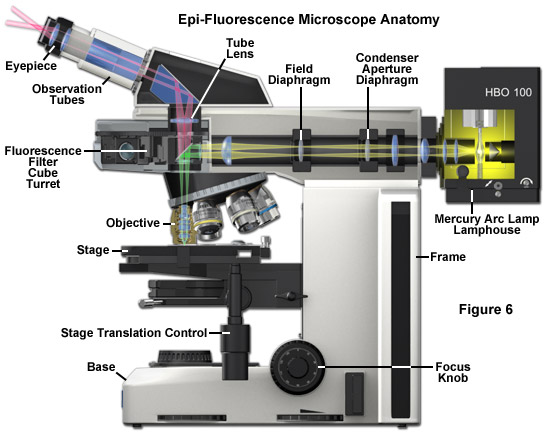
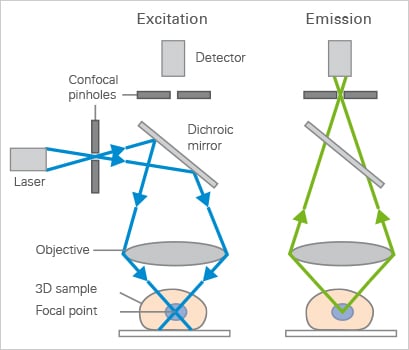
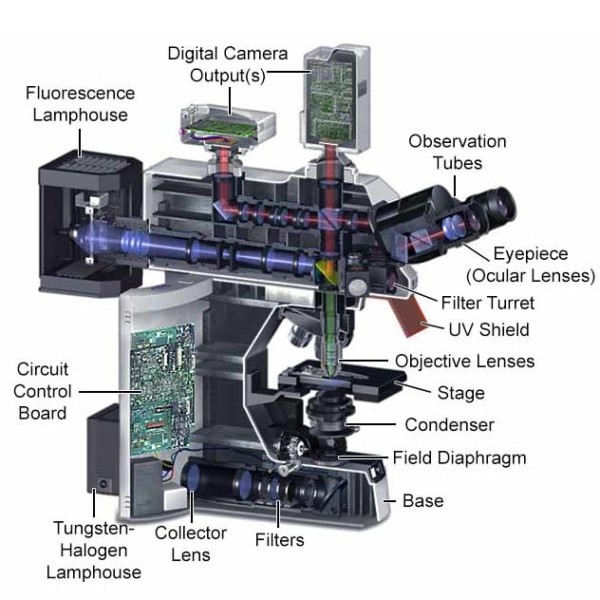
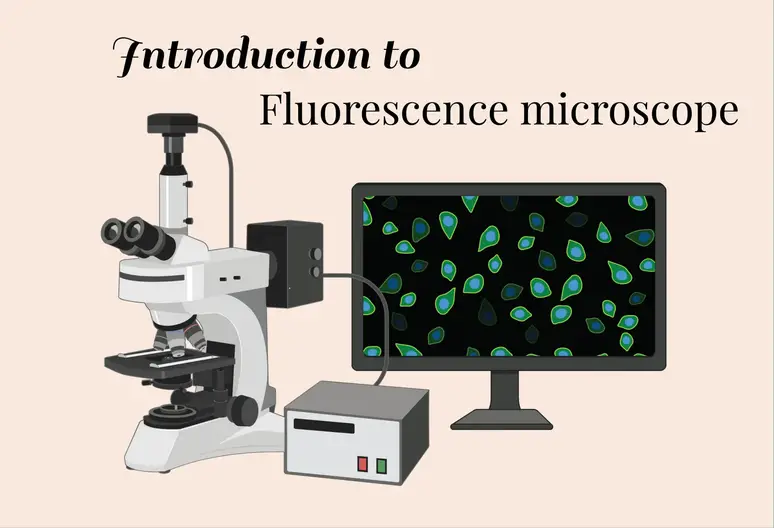
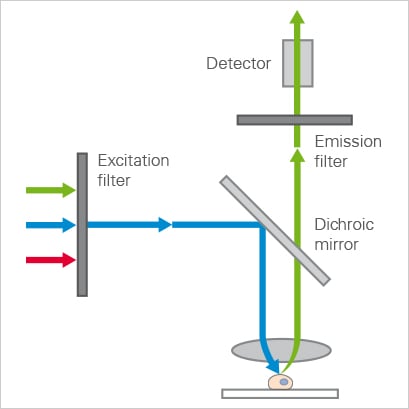
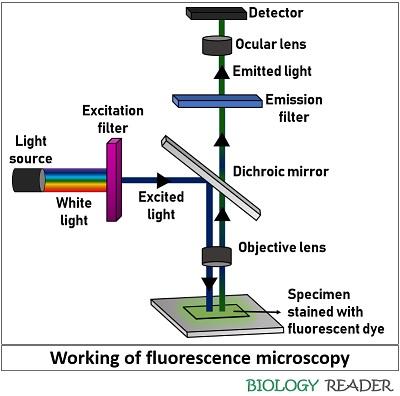
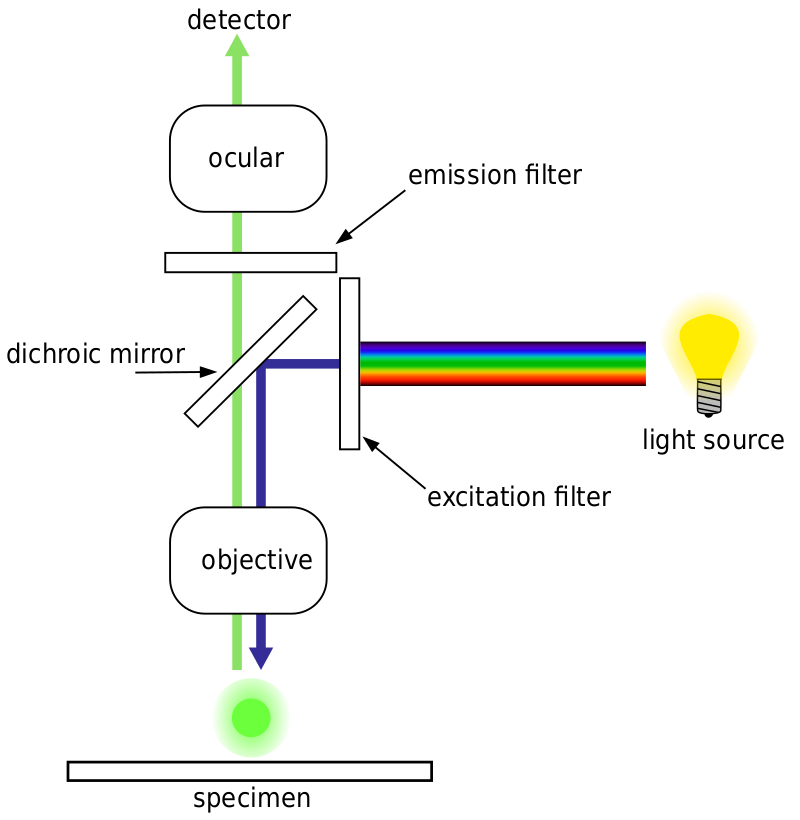
How Does Fluorescence Microscopy Work. Fluorescence microscopy uses a high-intensity light source that excites a fluorescent molecule called a fluorophore in the sample observed. The light comes into the microscope and hits a dichroic mirror – a mirror that reflects one range of wavelengths and allows another range to pass through. Fluorescent probes are designed to attach to specific genetic regions of microbes that will differentiate them from other groups. The fluorescence microscope produces ultraviolet light from either a mercury or xenon lamp.
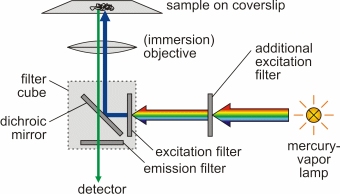 Introduction Fluorescence Microscopy Soft Matter Physics Division University Of Leipzig From home.uni-leipzig.de
The specimen is illuminated by light with a specific wavelength that is absorbed by the fluorophores enabling them to emit light of longer. Being a single component the objectivecondenser is always in perfect alignment. How does Palm microscopy work. How does confocal microscopy work. Fluorescence microscopy is a popular imaging technique both for its relatively noninvasive properties and its ability to simultaneously image multiple species in living cellular specimens. A fluorescence microscope uses a mercury or xenon lamp to produce ultraviolet light.
How Does Fluorescence Microscopy Work.
Traditionally excitation light is provided by a mercury or xenon high-pressure bulb and the. How does a fluorescence microscope work. Fluorescence microscopy is a type of light microscope that works on the principle of fluorescence. How does fluorescence imaging work. In this instrument a parallel beam of light simultaneously illuminates the whole specimen or wide-field of view to excite via the filter block the fluorophores it contains. When you hear the word microscope chances are what first comes to mind is actually fluorescence microscopy.
 Source: edmundoptics.com
A substance is said to be fluorescent when it absorbs the energy of invisible shorter wavelength radiation such as UV light and emits longer wavelength radiation of visible light such as green or red light. It is an optical technique that relies on fluorescent light as the light source. The fluorescence microscope objective serves first as a well-corrected condenser and secondly as the image-forming light gatherer. How does a fluorescence microscope work. Refractive Index of 152.
 Source: zeiss-campus.magnet.fsu.edu
Being a single component the objectivecondenser is always in perfect alignment. A fluorescence microscope uses a mercury or xenon lamp to produce ultraviolet light. Fluorescence is the emission of light by a substance that has absorbed light or other electromagnetic radiation while phosphorescence is a. The specimen is illuminated by light with a specific wavelength that is absorbed by the fluorophores enabling them to emit light of longer. The microscope uses a special dichroic mirror or more properly a dichromatic mirror although this term only seems to be used by purists.
 Source: ibidi.com
Fluorescence microscopy requires that the objects of interest fluoresce. The fluorescence microscope objective serves first as a well-corrected condenser and secondly as the image-forming light gatherer. Fluorescence is the emission of light that occurs within nanoseconds after the absorption of light that is typically of. In order to detect the fluorescent light using an optical microscope there are three steps. How does fluorescence microscopy work.
 Source: zeiss-campus.magnet.fsu.edu
The specimen is illuminated by light with a specific wavelength that is absorbed by the fluorophores enabling them to emit light of longer. Fluorescence microscopy requires that the objects of interest fluoresce. The specimen is illuminated by light with a specific wavelength that is absorbed by the fluorophores enabling them to emit light of longer. What are the qualities of a good project manager. Being a single component the objectivecondenser is always in perfect alignment.
 Source: researchgate.net
Fluorescence microscopy is a particular form of light microscopy in which instead of utilizing visible light to illuminate specimens a higher intensity light source excites a fluorescent molecule called a fluorophore. Fluorescence microscopy is a popular imaging technique both for its relatively noninvasive properties and its ability to simultaneously image multiple species in living cellular specimens. When you hear the word microscope chances are what first comes to mind is actually fluorescence microscopy. A fluorescence microscope is an optical microscope that uses fluorescence and phosphorescence instead of or in addition to reflection and absorption to study properties of organic or inorganic substances. How does a fluorescence microscope work.
 Source: semrock.com
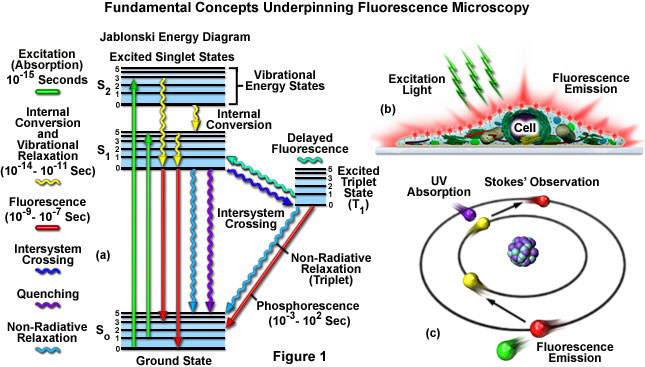
What are the qualities of a good project manager. Immediate Imaging or for Long-Term Storage. The fluorophore absorbs photons leading to electrons moving to a higher energy state. Fluorescence is the emission of light that occurs within nanoseconds after the absorption of light that is typically of. In order to detect the fluorescent light using an optical microscope there are three steps.
 Source: microscopeinternational.com
How Does Fluorescence Microscopy Work. In conventional far-field fluorescence microscopy the. A substance is said to be fluorescent when it absorbs the energy of invisible shorter wavelength radiation such as UV light and emits longer wavelength radiation of visible light such as green or red light. After fluorophores are applied to the sample in the area of interest the sample is exposed to electromagnetic energy at a certain wavelength which excites the fluorophores to. The fluorescence microscope objective serves first as a well-corrected condenser and secondly as the image-forming light gatherer.
 Source: sciencedirect.com
How does Palm microscopy work. It is an optical technique that relies on fluorescent light as the light source. Fluorescence is the emission of light that occurs within nanoseconds after the absorption of light that is typically of. The ultraviolet light emitted from the microscope is reflected by. Fluorescence microscopy uses a high-intensity light source that excites a fluorescent molecule called a fluorophore in the sample observed.
 Source: rsscience.com
The fluorescence microscope objective serves first as a well-corrected condenser and secondly as the image-forming light gatherer. How does fluorescence imaging work. Fluorescence microscopy is a popular imaging technique both for its relatively noninvasive properties and its ability to simultaneously image multiple species in living cellular specimens. The fluorescence microscope objective serves first as a well-corrected condenser and secondly as the image-forming light gatherer. A substance is said to be fluorescent when it absorbs the energy of invisible shorter wavelength radiation such as UV light and emits longer wavelength radiation of visible light such as green or red light.
 Source: ibidi.com
Fluorescence is the emission of light by a substance that has absorbed light or other electromagnetic radiation while phosphorescence is a. A fluorescence microscope works by combining the magnifying properties of the light microscope with fluorescence emitting properties of compounds. How does a fluorescence microscope work. In conventional far-field fluorescence microscopy the. Fluorescence is the emission of light by a substance that has absorbed light or other electromagnetic radiation while phosphorescence is a.
 Source: researchgate.net
Fluorescence is the emission of light by a substance that has absorbed light or other electromagnetic radiation while phosphorescence is a. How does fluorescence microscopy work. How does confocal microscopy work. Fluorescent probes are designed to attach to specific genetic regions of microbes that will differentiate them from other groups. Fluorescence microscopy requires that the objects of interest fluoresce.
 Source: biologyreader.com
The ultraviolet light emitted from the microscope is reflected by. It is an optical technique that relies on fluorescent light as the light source. A fluorescence microscope works by combining the magnifying properties of the light microscope with fluorescence emitting properties of compounds. What are the qualities of a good project manager. The microscope uses a special dichroic mirror or more properly a dichromatic mirror although this term only seems to be used by purists.
 Source: photometrics.com
How Does Fluorescence Microscopy Work. A fluorescence microscope is an optical microscope that uses fluorescence and phosphorescence instead of or in addition to reflection and absorption to study properties of organic or inorganic substances. The specimen is illuminated by light with a specific wavelength that is absorbed by the fluorophores enabling them to emit light of longer. Fluorescence is the emission of light by a substance that has absorbed light or other electromagnetic radiation while phosphorescence is a. What are the qualities of a good project manager.
 Source: sciencedirect.com
After fluorophores are applied to the sample in the area of interest the sample is exposed to electromagnetic energy at a certain wavelength which excites the fluorophores to. A substance is said to be fluorescent when it absorbs the energy of invisible shorter wavelength radiation such as UV light and emits longer wavelength radiation of visible light such as green or red light. Do surgeons use virtual reality. Fluorescence microscopy is a popular imaging technique both for its relatively noninvasive properties and its ability to simultaneously image multiple species in living cellular specimens. Being a single component the objectivecondenser is always in perfect alignment.
 Source: zeiss-campus.magnet.fsu.edu
A majority of the excitation light reaching the specimen passes through without interaction and travels away from the objective and the illuminated area is restricted to. Fluorescence is the emission of light by a substance that has absorbed light or other electromagnetic radiation while phosphorescence is a. How does Palm microscopy work. Fluorescence microscopy requires that the objects of interest fluoresce. How Does Fluorescence Microscopy Work.
 Source: youtube.com
When you hear the word microscope chances are what first comes to mind is actually fluorescence microscopy. Fluorescent probes are designed to attach to specific genetic regions of microbes that will differentiate them from other groups. In this instrument a parallel beam of light simultaneously illuminates the whole specimen or wide-field of view to excite via the filter block the fluorophores it contains. The fluorescence microscope objective serves first as a well-corrected condenser and secondly as the image-forming light gatherer. How does confocal microscopy work.
Source: home.uni-leipzig.de
Fluorescence is the emission of light that occurs within nanoseconds after the absorption of light that is typically of. How does a fluorescence microscope work. In this instrument a parallel beam of light simultaneously illuminates the whole specimen or wide-field of view to excite via the filter block the fluorophores it contains. A substance is said to be fluorescent when it absorbs the energy of invisible shorter wavelength radiation such as UV light and emits longer wavelength radiation of visible light such as green or red light. Immediate Imaging or for Long-Term Storage.
 Source: pinterest.com
The microscope uses a special dichroic mirror or more properly a dichromatic mirror although this term only seems to be used by purists. A substance is said to be fluorescent when it absorbs the energy of invisible shorter wavelength radiation such as UV light and emits longer wavelength radiation of visible light such as green or red light. Fluorescence microscopy is a particular form of light microscopy in which instead of utilizing visible light to illuminate specimens a higher intensity light source excites a fluorescent molecule called a fluorophore. How does confocal microscopy work. How does fluorescence microscopy work.
This site is an open community for users to share their favorite wallpapers on the internet, all images or pictures in this website are for personal wallpaper use only, it is stricly prohibited to use this wallpaper for commercial purposes, if you are the author and find this image is shared without your permission, please kindly raise a DMCA report to Us.
If you find this site helpful, please support us by sharing this posts to your preference social media accounts like Facebook, Instagram and so on or you can also save this blog page with the title how does fluorescence microscopy work by using Ctrl + D for devices a laptop with a Windows operating system or Command + D for laptops with an Apple operating system. If you use a smartphone, you can also use the drawer menu of the browser you are using. Whether it’s a Windows, Mac, iOS or Android operating system, you will still be able to bookmark this website.


