Your How do magnets work for kids images are available. How do magnets work for kids are a topic that is being searched for and liked by netizens now. You can Find and Download the How do magnets work for kids files here. Get all free photos.
If you’re searching for how do magnets work for kids images information linked to the how do magnets work for kids topic, you have visit the right site. Our site frequently provides you with hints for seeing the maximum quality video and picture content, please kindly surf and locate more enlightening video content and images that fit your interests.
How Do Magnets Work For Kids. Learn about Magnetism with Dr. One end of a bar magnet is a north pole and the opposite end is a South Pole. Dec 7 2019 Adél Békefi Getty Images. South pole of a magnet is naturally attracted to the north pole of another magnet.
 Magnets Ccss Ngss Aligned Posters Experiments Activities More Homeschool Science Experiments Magnet Lessons Science Projects For Preschoolers From pinterest.com
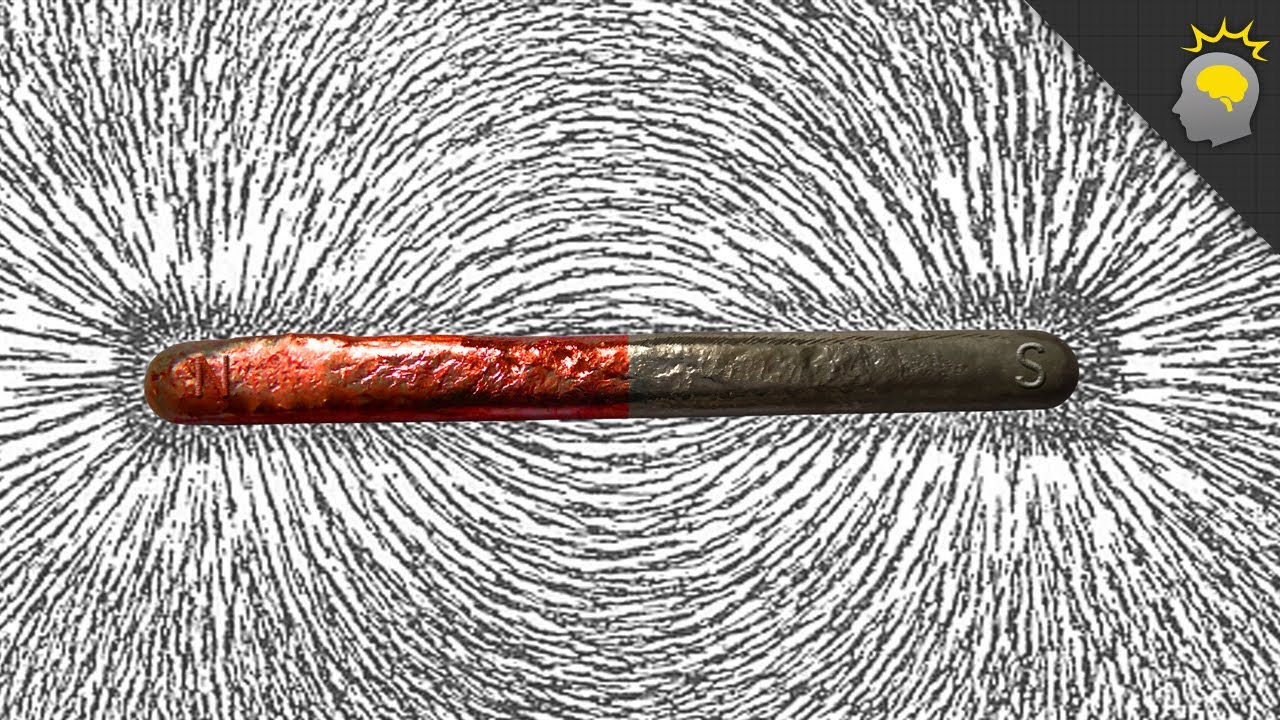
Magnets only attract pull metals that are made of iron or that contain iron. How do Magnets Work. Magnets have two ends called the north pole and the south poleThe magnetic f. This invisible force is called magnetism. Magnetism occurs when the electrons spin in the same direction. A magnet creates an invisible area of magnetism all around it called a magnetic field.
Magnets can be of various shapes but all of them have the ability to pull things towards themselves.
It is this force that is known as the magnetic force. Every magnet regardless of size produces magnetic force. Magnets cannot pull against anything made of wood or plastic or metals such as copper or gold. They come in different shapes and sizes. Magnetism is concentrated around the poles ends of a magnet. Magnetism is the force exerted by magnet s when they attract or repel each other.
 Source: pinterest.com
Most materials are composed of molecules molecules are composed of atoms and atoms are composed of nuclei and electrons. Magnets cannot pull against anything made of wood or plastic or metals such as copper or gold. What are magnets and how do they work. This creates a magnetic field around a magnet. All magnets have south and north poles.
 Source: pinterest.com
Magnetism occurs when the electrons spin in the same direction. Youve probably played with magnets before - these fascinating items can exert control over another object without even touching it. Definition A magnet is defined as that substance which is capable of attracting ferromagnetic substances due to the presence of lines of force around the material termed as magnetic lines of force. Magnetism is concentrated around the poles ends of a magnet. A magnet creates an invisible area of magnetism all around it called a magnetic field.
 Source: pinterest.com
Youve probably played with magnets before - these fascinating items can exert control over another object without even touching it. The North Pole of one magnet will repel and push away the North Pole of another magnet. Opposite poles attract each other. Magnetism is concentrated around the poles ends of a magnet. If the same pole of two magnets are placed near each other they will push away repel while if different poles are placed near each other they will pull together attractMagnetic objects must be inside the magnetic field to respond which is why you may have to move a magnet closer.
 Source: pinterest.com
Magnets cannot pull against anything made of wood or plastic or metals such as copper or gold. This means that a magnet does not have to be touching an object to pull it. Youve probably played with magnets before - these fascinating items can exert control over another object without even touching it. A magnet creates an invisible area of magnetism all around it called a magnetic field. The compass was used in Song Dynasty China by the military for navigational orienteering by 104044 and was used for maritime navigation by 1111 to 1117.
 Source: in.pinterest.com
How Do Magnets Work. Most materials are composed of molecules molecules are composed of atoms and atoms are composed of nuclei and electrons. Magnets is a key stage 2 science topic. Magnets have a north pole and a south pole. All magnets have south and north poles.
 Source: pinterest.com
Driven in a car. And each atom is made up of particles called P rotons Neutrons and Electrons. Have you checked twitter today. Every substance is made up of tiny units called atoms. Binged a new show.
 Source: pinterest.com
The North Pole of one magnet will repel and push away the North Pole of another magnet. Both of these movements of electrons can produce magnetism. How do Magnets Work. In magnets the molecules are uniquely arranged so that their electrons spin in the same direction. A magnet creates an invisible area of magnetism all around it called a magnetic field.
 Source: pinterest.com
Magnets only attract pull metals that are made of iron or that contain iron. A magnet attracts certain metals with an invisible force called magnetic field. Magnetism occurs when the electrons spin in the same direction. How do they work. MagnetismA magnet is an object or device that produces a magnetic fieldMagnet attracts objects made of nickel iron and cobaltA magnet has 2 poles the No.
 Source: pinterest.com
Magnets Have Magnetic Fields The magnetic force in a magnet flows from the North pole to the South pole. Youve probably played with magnets before - these fascinating items can exert control over another object without even touching it. This means that a magnet does not have to be touching an object to pull it. BinocsHey kids have you ever wondered how do magnets get attracted to each other. They come in different shapes and sizes.
 Source: pinterest.com
A magnet has two poles called the north pole and the south pole. The signals are detected by a radio antenna within the scanner and are processed by a computer to create really detailed images of the inside of your body. The magnetic compass was first invented as a device for divination as early as the Chinese Han Dynasty and Tang Dynasty since about 206 BC. Fun Magnet Facts for kids. In magnets the molecules are uniquely arranged so that their electrons spin in the same direction.
 Source: pinterest.com
How do magnets work facts for kids. Youve probably played with magnets before - these fascinating items can exert control over another object without even touching it. BinocsHey kids have you ever wondered how do magnets get attracted to each other. Magnets are fascinating objects for children to play with as they attract certain materials 1. How do magnets work facts for kids.
 Source: pinterest.com
Gently turn the box upside down when its just above the ground. Everything in the universe is made up of ATOMS. This arrangement of atoms creates two poles in a magnet a North-seeking pole and a South-seeking pole. Magnetism is the force exerted by magnet s when they attract or repel each other. What are magnets and how do they work.
Source: pinterest.com
See also how do seasonal fires help grasslands. Opposite poles attract each other. Magnets have two ends called the north pole and the south poleThe magnetic f. Every magnet regardless of size produces magnetic force. How do they work.
 Source: pinterest.com
Thats because Earth itself contains magnetic materials and behaves like a gigantic magnet. Certain materials that come within its magnetic field are attracted to it. The two poles may. BinocsHey kids have you ever wondered how do magnets get attracted to each other. The North Pole of one magnet will repel and push away the North Pole of another magnet.
 Source: pinterest.com
A magnet has two poles called the north pole and the south pole. Other ways to align magnetic domains in a piece of metal include. See also how do seasonal fires help grasslands. Inside the atom electrons keep spinning and rotate around the nucleus. They come in different shapes and sizes.
 Source: pinterest.com
Magnets are objects that can exert an invisible force called magnetism which pulls on some metals such as iron and nickel. See also how do seasonal fires help grasslands. The north pole of a magnet points roughly toward Earths north pole and vice-versa. And each atom is made up of particles called P rotons Neutrons and Electrons. Objects that are pulled by magnets are said to be magnetic.
 Source: pinterest.com
Thats because Earth itself contains magnetic materials and behaves like a gigantic magnet. Magnets only attract pull metals that are made of iron or that contain iron. Thats what happens when you rub a needle with a magnet – the exposure to the magnetic field encourages the domains to align. This guide will explain. Youve probably played with magnets before - these fascinating items can exert control over another object without even touching it.
 Source: pinterest.com
The two poles may. Have you checked twitter today. Most materials are composed of molecules molecules are composed of atoms and atoms are composed of nuclei and electrons. A magnet attracts certain metals with an invisible force called magnetic field. Definition A magnet is defined as that substance which is capable of attracting ferromagnetic substances due to the presence of lines of force around the material termed as magnetic lines of force.
This site is an open community for users to share their favorite wallpapers on the internet, all images or pictures in this website are for personal wallpaper use only, it is stricly prohibited to use this wallpaper for commercial purposes, if you are the author and find this image is shared without your permission, please kindly raise a DMCA report to Us.
If you find this site serviceableness, please support us by sharing this posts to your own social media accounts like Facebook, Instagram and so on or you can also save this blog page with the title how do magnets work for kids by using Ctrl + D for devices a laptop with a Windows operating system or Command + D for laptops with an Apple operating system. If you use a smartphone, you can also use the drawer menu of the browser you are using. Whether it’s a Windows, Mac, iOS or Android operating system, you will still be able to bookmark this website.


