Your Constructive dismissal fair work images are ready. Constructive dismissal fair work are a topic that is being searched for and liked by netizens now. You can Get the Constructive dismissal fair work files here. Get all royalty-free photos and vectors.
If you’re looking for constructive dismissal fair work images information linked to the constructive dismissal fair work interest, you have come to the right site. Our site always provides you with suggestions for seeing the highest quality video and image content, please kindly hunt and find more enlightening video articles and graphics that fit your interests.
Constructive Dismissal Fair Work. Under the Fair Work Act 2009 Cth the FW ACT the term dismissed is defined where a persons employment has been sacked at the employers initiative or a person was forced to resign because of the conduct or. The Fair Work Commission the Commission decides on cases of unfair dismissal. Constructive dismissal Where an employee quits but was forced to do so because of the conduct of their employer. A forced resignation can also be referred to as constructive dismissal.
 Things You Can T Ignore About Unfair Dismissal From factorialist.com
If your employers action or inaction makes the situation at work so intolerable for you that you resign with our without notice. What is a constructive dismissal. The term dismissed is defined in the Fair Work Act as a situation where. The most common dismissal-based claims are unfair dismissal. Forced resignation also known as constructive dismissal is when an employee has no real choice but to resign due to conduct engaged in by an employer. Forcing an employee into a situation where they have no choice but to leave is as illegal as any other form of bullying.
The basics are that constructive dismissal may be defined as a situation in the workplace which has been created by the employer and which renders the continuation of the employment relationship intolerable for the employee - to such an extent that the employee as no other option available but to resign.
What is a constructive dismissal. The term dismissed is defined in the Fair Work Act as a situation where. The Fair Work Commission the Commission decides on cases of unfair dismissal. Here is a statement of the essential legal elements of a constructive dismissal. Forced resignation also known as constructive dismissal is when an employee has no real choice but to resign due to conduct engaged in by an employer. 2 Constructive dismissal as part of a claim process Constructive dismissal is not a claim on its own.
 Source: pinterest.com
If you think you have been unfairly dismissed you should contact the Commission as soon as possible. Briefly constructive dismissal is a situation where the employee was left with no choice but to tender his resignation due to the actions decisions andor policies imposed by the employer on the employee resulting in a fundamental breach of contract by the employer even though there is no direct dismissal of the employee by the employer. The legal principles explained. A forced resignation can also be referred to as constructive dismissal. The term dismissed is defined in the Fair Work Act as a situation where.
 Source: pinterest.com
What is a constructive dismissal. The legal principles explained. A constructive dismissal occurs when an employee resigns from their position but the termination of employment is deemed to be at the initiative of the employer. The 21 day period starts the day after the dismissal. It is important for you as an employer to understand constructive dismissal.
 Source: winheller.com
Courting constructive dismissal. Many constructive dismissal claims are based on a breach of an implied term such as the duty of implied trust and confidence or the duty. The term dismissed is defined in the Fair Work Act as a situation where. The most common dismissal-based claims are unfair dismissal. Forcing an employee into a situation where they have no choice but to leave is as illegal as any other form of bullying.
 Source: pinterest.com
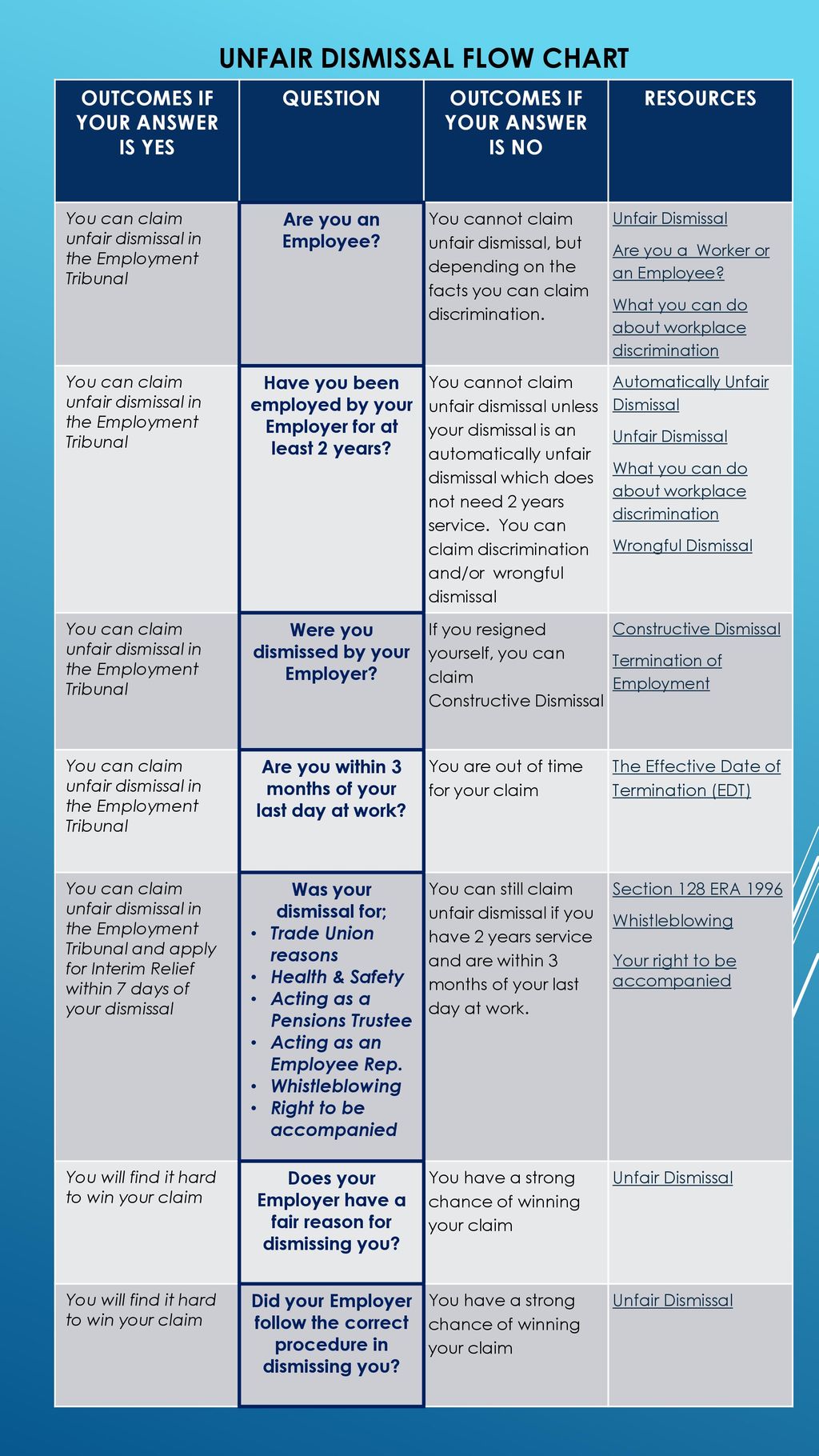
Implied terms form part of the. A person was forced to resign because of the conduct or course of conduct engaged in by the employer. Constructive discharge also known as constructive termination or constructive dismissal is a term used in employment law when an employee resigns due to an intolerable work environment created by the employer. 7 Where a resignation is given in the heat of the moment or under extreme pressure special circumstances may arise. The definition of forced resignation.
 Source: slideplayer.com
7 Where a resignation is given in the heat of the moment or under extreme pressure special circumstances may arise. 2 Constructive dismissal as part of a claim process Constructive dismissal is not a claim on its own. Constructive dismissal also known as a Forced Resignation is the legal term for when you were forced to resign or had no other option but to resign. If this has happened you may be able to raise a personal grievance. Many constructive dismissal claims are based on a breach of an implied term such as the duty of implied trust and confidence or the duty.
 Source: pinterest.com
Here is an extract from a Fair Work Commission unfair dismissal case which sets out the legal principles which apply when determining whether an employees resignation might constitute a dismissal as a constructive dismissal for the purposes of our unfair dismissal laws. If you think you have been unfairly dismissed you should contact the Commission as soon as possible. 7 Where a resignation is given in the heat of the moment or under extreme pressure special circumstances may arise. Constructive dismissal occurs when an employer places an employee in a situation where they have no option but to resign. Heat of the moment resignation An employer is generally able to treat a clear and unambiguous resignation as a resignation.
 Source: transparency.gov.au
If you think you have been unfairly dismissed you should contact the Commission as soon as possible. Courting constructive dismissal. Heat of the moment resignation An employer is generally able to treat a clear and unambiguous resignation as a resignation. A person was forced to resign because of the conduct or course of conduct engaged in by the employer. If you think you have been unfairly dismissed you should contact the Commission as soon as possible.
 Source: pinterest.com
Constructive dismissal Where an employee quits but was forced to do so because of the conduct of their employer. The basics are that constructive dismissal may be defined as a situation in the workplace which has been created by the employer and which renders the continuation of the employment relationship intolerable for the employee - to such an extent that the employee as no other option available but to resign. Implied terms form part of the. Constructive dismissal occurs when an employer places an employee in a situation where they have no option but to resign. Forced resignation also known as constructive dismissal is when an employee has no real choice but to resign due to conduct engaged in by an employer.
 Source: pinterest.com
In a case of forced redundancyconstructive dismissal the onus falls onto the employee to show that the employer forced them into a situation that warranted their involuntary resignation. Constructive dismissal also known as a Forced Resignation is the legal term for when you were forced to resign or had no other option but to resign. The most common dismissal-based claims are unfair dismissal. A constructive dismissal occurs when the employers repudiatory breach causes the employee to accept that the contract has been terminated by resigning. Employees need to apply to the Commission within 21 days of the dismissal taking effect.
 Source: pinterest.com
Heat of the moment resignation An employer is generally able to treat a clear and unambiguous resignation as a resignation. The definition of forced resignation. Forced redundancy or constructive dismissal is where an employee has no real choice but to resign due to the actions of their employers. The term dismissed is defined in the Fair Work Act as a situation where. Here is an extract from a Fair Work Commission unfair dismissal case which sets out the legal principles which apply when determining whether an employees resignation might constitute a dismissal as a constructive dismissal for the purposes of our unfair dismissal laws.
 Source: pinterest.com
In Bupa Aged Care Australia Pty Ltd v Tavassoli Bupa v Tavassoli 8 a Full Bench of the Commission after a consideration of authorities regarding termination at the initiative of the employer and forced resignation observed. The Fair Work Commission the Commission decides on cases of unfair dismissal. The definition of forced resignation. This is because it can form part of an unfair dismissal claim with the Fair Work Commission FWC. The 21 day period starts the day after the dismissal.
 Source: pinterest.com
Many constructive dismissal claims are based on a breach of an implied term such as the duty of implied trust and confidence or the duty. Heat of the moment resignation An employer is generally able to treat a clear and unambiguous resignation as a resignation. Constructive discharge also known as constructive termination or constructive dismissal is a term used in employment law when an employee resigns due to an intolerable work environment created by the employer. Here is an extract from a Fair Work Commission unfair dismissal case which sets out the legal principles which apply when determining whether an employees resignation might constitute a dismissal as a constructive dismissal for the purposes of our unfair dismissal laws. The basics are that constructive dismissal may be defined as a situation in the workplace which has been created by the employer and which renders the continuation of the employment relationship intolerable for the employee - to such an extent that the employee as no other option available but to resign.
 Source: pinterest.com
The Fair Work Ombudsman and Registered Organisations Commission Entity acknowledges the Traditional Custodians of Country throughout Australia and their continuing connection to land waters and community. Constructive discharge also known as constructive termination or constructive dismissal is a term used in employment law when an employee resigns due to an intolerable work environment created by the employer. A constructive dismissal occurs when an employee resigns from their position but the termination of employment is deemed to be at the initiative of the employer. The definition of forced resignation. Constructive dismissal is the non-voluntary resignation of an employee in response to something their employer has done.
 Source: in.pinterest.com
What is a constructive dismissal. Employees need to apply to the Commission within 21 days of the dismissal taking effect. Briefly constructive dismissal is a situation where the employee was left with no choice but to tender his resignation due to the actions decisions andor policies imposed by the employer on the employee resulting in a fundamental breach of contract by the employer even though there is no direct dismissal of the employee by the employer. A constructive dismissal occurs when an employee resigns from their position but the termination of employment is deemed to be at the initiative of the employer. Forced redundancy or constructive dismissal is where an employee has no real choice but to resign due to the actions of their employers.
 Source: pinterest.com
It is important for you as an employer to understand constructive dismissal. A forced resignation can also be referred to as constructive dismissal. Forcing an employee into a situation where they have no choice but to leave is as illegal as any other form of bullying. Here is a statement of the essential legal elements of a constructive dismissal. If this has happened you may be able to raise a personal grievance.
 Source: pinterest.com
It is important for you as an employer to understand constructive dismissal. A constructive dismissal occurs when an employee resigns from their position but the termination of employment is deemed to be at the initiative of the employer. Forced redundancy or constructive dismissal is where an employee has no real choice but to resign due to the actions of their employers. The legal principles explained. Employees need to apply to the Commission within 21 days of the dismissal taking effect.
 Source: pinterest.com
If this has happened you may be able to raise a personal grievance. Employees need to apply to the Commission within 21 days of the dismissal taking effect. Briefly constructive dismissal is a situation where the employee was left with no choice but to tender his resignation due to the actions decisions andor policies imposed by the employer on the employee resulting in a fundamental breach of contract by the employer even though there is no direct dismissal of the employee by the employer. If your employers action or inaction makes the situation at work so intolerable for you that you resign with our without notice. Constructive dismissal is the non-voluntary resignation of an employee in response to something their employer has done.
Source: factorialist.com
The term dismissed is defined in the Fair Work Act as a situation where. What is a constructive dismissal. Constructive dismissal is the non-voluntary resignation of an employee in response to something their employer has done. Constructive dismissal Where an employee quits but was forced to do so because of the conduct of their employer. It is important for you as an employer to understand constructive dismissal.
This site is an open community for users to do submittion their favorite wallpapers on the internet, all images or pictures in this website are for personal wallpaper use only, it is stricly prohibited to use this wallpaper for commercial purposes, if you are the author and find this image is shared without your permission, please kindly raise a DMCA report to Us.
If you find this site serviceableness, please support us by sharing this posts to your favorite social media accounts like Facebook, Instagram and so on or you can also bookmark this blog page with the title constructive dismissal fair work by using Ctrl + D for devices a laptop with a Windows operating system or Command + D for laptops with an Apple operating system. If you use a smartphone, you can also use the drawer menu of the browser you are using. Whether it’s a Windows, Mac, iOS or Android operating system, you will still be able to bookmark this website.


